During pregnancy there are many physiological and anatomical changes. This is an ideal time to become familiar with the benefits of exercising safely during pregnancy. Whether you are new to exercise or have been exercising for years you will benefit from pregnancy fitness.
Pre eclampsia (high blood pressure) and gestational diabetes are very common in western society. Both these conditions can be prevented through regular exercise and healthy eating. Exercising regularly will support normal blood pressure and improve your insulin sensitivity. Your labor will be easier if you are fit and postnatally you will physically recover quicker and feel much happier.
Aqua exercise
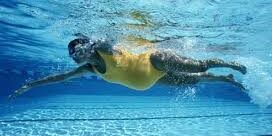
The aqua environment has many benefits to pregnant women. In pregnancy it is normal for your resting heart rate to increase. In water, during pregnancy, your heart rate will not rise as high as it would on land. Therefore pregnancy aqua classes or swimming are ideal activities. The weight of your baby will be relieved in water due to the buoyancy effect. The hydrostatic pressure of water on your body will enhance circulation, preventing oedema (swelling) of ankles and hands. Upon exiting water be mindful of taking it steady, blood pressure may drop (causing dizziness) and be sure to replenish with fluids and a healthy snack.
Australian Guidelines for Pregnancy Exercise
There is very little evidence based medicine for pregnancy fitness guidelines. The reason for the lack of science is due to the fact that clinical exercise trials might jeopardize the pregnancy and have not been undertaken. Therefore the land based exercise guidelines are driven from a very cautious perspective, as outlined below.
Land exercise
Ideally exercise intensity should be low to moderate. If high intensity is used it should not exceed 15 minutes continuously. For the general public it is advised not to exceed >140bpm heart rate when exercising with 3 to 5 days of exercise weekly of a duration 15 to 30 minutes/workout. If you are already fit and exercise regularly, it would be doubtful you would want to maintain these modest levels of exercising.
Trimester 1-2-3
During the 1st trimester the fetus is susceptible to mother’s body temperature which in turn has a risk of birth defects. When exercising wear light open weave clothing, have regular fluids (water/lemon juice) and choose exercise in a well ventilated indoor environment during periods of hot weather. If outdoors be mindful of hot humid temperatures minimizing your exertion levels or opting for a swimming pool.
Trimester 2 and 3 the risk from contact sports is due to the higher position of the fetus above the pelvis region. Several physiological factors change during this time; ligament laxity, sense of balance and your centre of gravity changes. Generally speaking, quick directional changes or getting up/down off floor will become more difficult and may be considered inappropriate for you as your pregnancy progresses.
Being fit and healthy prior to pregnancy is the best option, then maintain good levels of your fitness regimes throughout pregnancy, modifying exercise type as your pregnancy progresses listening carefully to your body and baby’s needs. If you are pregnant and have never exercised before, join a pre-natal exercise group or try daily swimming and walking for safe low to moderate intensity exercise.
The glow of post-exercise can lift your spirit all day and your baby will love your happy relaxed mood 🙂